
In the world of industrial safety and electrical engineering, the stakes are incredibly high. When dealing with hazardous areas—environments where flammable gases, mists, or vapors exist—selecting the equipment is not just about functionality; it is a matter of life and death.
A common question that plagues Procurement Managers and Electrical Engineers is: “How do I choose the right Type of Protection?”
With an alphabet soup of options like Ex d (Flameproof), Ex e (Increased Safety), and Ex i (Intrinsic Safety), the decision is rarely black and white. While many guides define what these codes mean, few explain the strategy behind choosing one over the other.
This guide moves beyond the textbook definitions to provide a decision-making framework for selecting the most appropriate method of protection for your specific application.
1. The Foundation: Zone Classification is Non-Negotiable
Before you even look at a catalog, you must have a confirmed Hazardous Area Classification (HAC) drawing. You cannot select a protection method without knowing the probability of the hazard being present.
- Zone 0: Explosive atmosphere is present continuously. (Your options are severely limited here, mostly to Ex ia).
- Zone 1: Explosive atmosphere is likely to occur in normal operation.
- Zone 2: Explosive atmosphere is unlikely, and if it does occur, it will exist for a short period only.
Strategic Tip: Do not over-specify. Using Zone 1 equipment (like Ex d) in a Zone 2 area is safe, but it is often a massive waste of budget and increases structural weight unnecessarily. For Zone 2, look for Ex n (Non-sparking) or Ex ec which are significantly cheaper and lighter.
2. Match the “Ex” to the Application Energy
This is where the “Type of Protection” selection becomes an engineering art form. You must analyze the power requirements of the device.
High Power Applications (Motors, Pumps, Heavy Switchgear)
For high-voltage or high-current equipment, you generally cannot limit the energy.
- The Go-To: Ex d (Flameproof).
- How it works: It contains the explosion inside the enclosure.
- Pros: Rugged, handles high power.
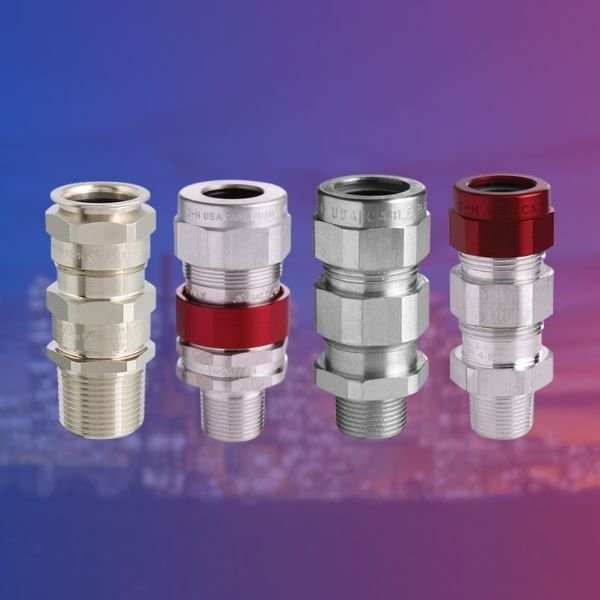
- Cons: Heavy, expensive, and difficult to install (requires precise barrier glands).
Medium Power / Passive Components (Junction Boxes, Lighting, Terminals)
- The Go-To: Ex e (Increased Safety).
- How it works: It prevents arcs, sparks, and hot spots from occurring in the first place.
- Pros: Lighter than Ex d, easier to maintain, often uses plastic/GRP enclosures which resist corrosion better than cast iron.
- Cons: Not suitable for sparking components (like switches or contactors) unless combined with other methods.
Low Power / Instrumentation (Sensors, 4-20mA Loops)
- The Go-To: Ex i (Intrinsic Safety).
- How it works: Limits the electrical and thermal energy to a level below what is required to ignite the gas.
- Pros: The only method usually allowed in Zone 0. You can perform maintenance on “live” circuits without a gas clearance certificate (hot work permit).
- Cons: Requires Zener barriers or Galvanic isolators in the safe area, adding complexity to the control panel design.
3. The “Maintenance Reality” Check
This is the step most people skip. When choosing a Type of Protection, you are also choosing a maintenance schedule.
Ask yourself: Who will be maintaining this?
- If you choose Ex d (Flameproof): The integrity of the protection relies on the “flame path” (the gap between surfaces). If a technician scratches this surface during maintenance, or paints over it, the protection is void. Furthermore, opening an Ex d enclosure requires unscrewing many bolts, which discourages routine checks.
- If you choose Ex e (Increased Safety): It relies on the ingress protection (IP) rating and tight terminals. It is generally easier to inspect visually.
- If you choose Ex i (Intrinsic Safety): This is the maintenance dream. Because the energy is low, technicians can open the cover to calibrate a sensor while the plant is running.
Verdict: If you have high-turnover staff or difficult access areas, Ex i (for instruments) and Ex e (for junction boxes) are often superior to Ex d because they are less prone to human error during maintenance.
4. Gas Groups and Temperature Classes
The “Type of Protection” must be compatible with the specific gas properties.
- Gas Group: Hydrogen (IIC) is much easier to ignite than Propane (IIA). Equipment marked IIC covers IIA and IIB, but it is more expensive. Do not buy IIC equipment for a simple IIA application if budget is a concern.
- T-Class: This is the maximum surface temperature the equipment will reach.
- If your gas ignites at 135°C, you need T4 equipment.
- Warning: T6 is the “safest” (85°C), but it is hard to achieve for motors and lights. T3 or T4 is the industry standard for most petrochemical applications. Don’t demand T6 unless the gas specifically requires it.
5. The Hybrid Approach (Ex de)
Why choose one when you can have the best of both worlds?
One of the most popular modern choices for control stations is Ex de.
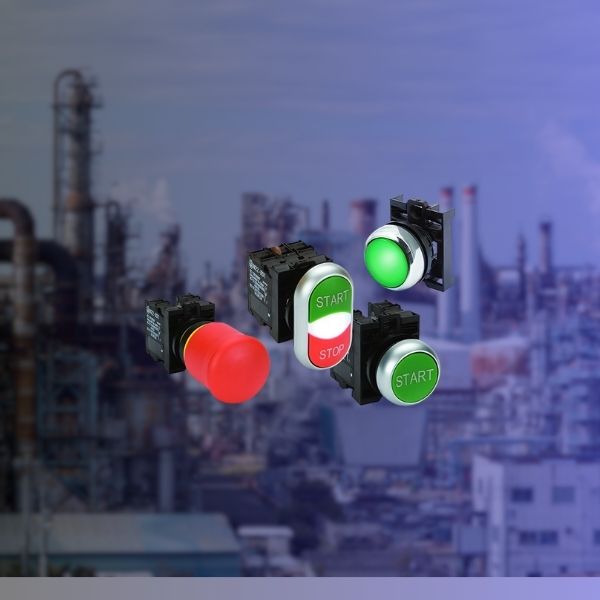
- The switches and internal sparking components are encapsulated in small Ex d modules.
- These modules are mounted inside a larger, lighter Ex e enclosure.
Result: You get the switching capability of Ex d without the heavy, expensive cast-iron box. You also eliminate the need for complex barrier glands.
Summary: The Decision Matrix
| Constraint | Recommended Type of Protection | Why? |
|---|---|---|
| Zone 0 | Ex ia | Highest safety level required. |
| Instrumentation | Ex i (Intrinsic Safety) | Allows live maintenance. |
| High Voltage Motors | Ex d (Flameproof) | Only way to handle the spark energy. |
| Junction Boxes | Ex e (Increased Safety) | Rust-resistant, lighter, easier wiring. |
| Zone 2 (General) | Ex n / Ex ec | Most cost-effective. |
Conclusion
Selecting the right Type of Protection is a balancing act between CAPEX (buying the equipment) and OPEX (maintaining it).
While Ex d is the traditional tank-like solution, modern engineering favors Ex e and Ex i where possible to reduce weight and simplify maintenance. Always start with your Zone, verify your Gas Group, and consult the IEC 60079 standards before making a final purchase.