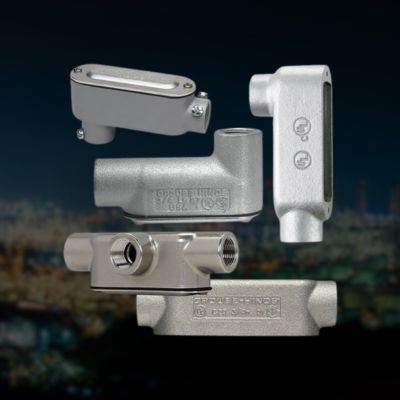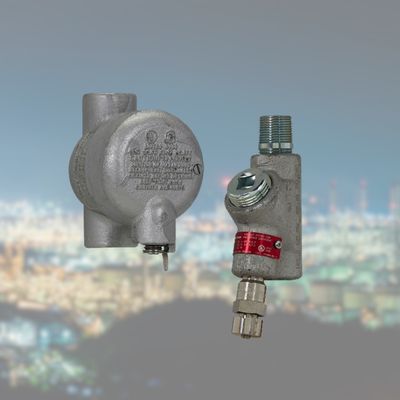
When you see industrial facilities, refineries, or offshore oil platforms operating safely in explosive environments, there’s a good chance Crouse-Hinds equipment is protecting workers and infrastructure. This 127-year-old brand represents one of the most successful industrial electrical companies in American history—and its journey through multiple ownership changes tells a fascinating story of innovation, acquisition strategy, and brand longevity.
The Crouse-Hinds Story: 1897-2024
The Founding Years (1897-1920)
Origins in Syracuse, New York
Founded: 1897
Founders: H. Ward Crouse and LeRoy M. Hinds
Original Product: Electrical conduit fittings and junction boxes
Location: Syracuse, New York
The company began during America’s electrical revolution, when Thomas Edison’s power systems were transforming cities and factories. Crouse and Hinds recognized a critical need: as electrical systems proliferated, safe methods for connecting and protecting wiring were essential.
Early Innovations:
- 1897: Patented the first practical cast-iron electrical conduit fitting
- 1902: Introduced weather-resistant outdoor electrical enclosures
- 1908: Developed the first explosion-proof electrical fitting for use in coal mines
- 1912: Created watertight electrical connectors for marine applications
The Syracuse location proved strategic—situated in upstate New York’s industrial corridor with access to:
- Skilled metalworking labor force
- Erie Canal transportation (later railroad)
- Growing electrical manufacturing cluster
- Proximity to Canadian markets
Innovation Leadership (1920-1950)
Becoming the Hazardous Location Standard
During this period, Crouse-Hinds established itself as the authoritative brand for hazardous location electrical equipment.
Major Product Developments:
1920s — Explosion-Proof Equipment Revolution:
- Introduced comprehensive line of Class I, Division 1 explosion-proof enclosures
- Developed patented threaded connection system that prevented spark transmission
- Created industry’s first catalog specifically for hazardous locations
- Established testing laboratory to certify products for dangerous environments
Key Applications:
- Coal mines (methane gas environments)
- Oil refineries (hydrocarbon vapor)
- Chemical plants (reactive chemicals)
- Grain elevators (combustible dust)
- Paint manufacturing (solvent vapors)
1930s — Depression Era Diversification:
- Commercial lighting fixtures (the famous “Crouse-Hinds traffic signal”)
- Street lighting equipment for municipalities
- Industrial high-bay lighting
- Airport runway lighting systems
Traffic Signal Innovation:
Crouse-Hinds became a dominant force in traffic control:
- Designed the first coordinated traffic signal system
- Supplied traffic lights to major U.S. cities
- Created the distinctive “eagle” traffic signal design
- Remained in traffic equipment until 1960s divestiture
1940s — World War II Production:
- Explosion-proof equipment for naval vessels
- Aircraft manufacturing facility lighting
- Munitions plant hazardous location equipment
- Military base infrastructure
The war established Crouse-Hinds as a critical defense supplier, a relationship that continued through the Cold War.
Post-War Expansion (1950-1980)
Global Growth and Product Diversification
1950s Developments:
- Opened Canadian manufacturing facility (Brantford, Ontario)
- Introduced PVC-coated conduit fittings
- Developed stainless steel fittings for corrosive environments
- Expanded into Latin American markets
1960s Innovations:
- Created the first modular explosion-proof lighting system
- Introduced aluminum explosion-proof enclosures (lighter weight)
- Developed nuclear power plant-qualified equipment
- Pioneered fiber-optic conduit systems (early adoption)
Key Product Lines by 1970:
Hazardous Location Equipment:
- Explosion-proof enclosures (Class I, II, III)
- Conduit fittings and sealing fittings
- Explosion-proof lighting fixtures
- Control stations and pilot lights
- Junction boxes and fittings
Commercial/Industrial Products:
- Heavy-duty receptacles and plugs
- Pin-and-sleeve connectors
- Lighting fixtures and controls
- Outdoor electrical equipment
Revenue by 1979: Approximately $300 million annually
Employees: ~4,500 globally
Manufacturing Locations: Syracuse (NY), Brantford (Canada), Mexico City
The Belden Merger Era (1981-1996)
1981 — Acquisition by Belden Corporation
Deal Value: $180 million
Acquirer Strategy: Belden (wire and cable manufacturer) sought to create integrated electrical solutions
Strategic Rationale:
- Belden cables + Crouse-Hinds fittings = complete wiring systems
- Cross-selling opportunities to industrial customers
- Geographic expansion (Belden strong in Europe, C-H strong in Americas)
Performance Under Belden:
- Revenue grew from $300M (1981) to $650M (1996)
- Expanded international presence, particularly Middle East (oil & gas)
- Introduced microprocessor-controlled lighting systems
- Maintained Crouse-Hinds brand identity (strong customer loyalty)
Challenges:
- Integration difficulties (different sales channels)
- Belden’s wire business faced Asian competition
- C-H hazardous location business more profitable than Belden’s core
- Pressure to divest and unlock value
The Cooper Industries Chapter (1996-2012)
1996 — Cooper Industries Acquisition
Deal Value: $1.43 billion (for entire Belden electrical division, including Crouse-Hinds)
Strategic Fit: Perfect alignment with Cooper’s electrical products portfolio
What Cooper Brought:
- Deep electrical distribution relationships
- Complementary Appleton brand (another hazardous location leader)
- Manufacturing excellence and lean production expertise
- Global sales force and distribution network
The Cooper Integration Success Story
Cooper’s ownership marked Crouse-Hinds’ golden era:
Operational Improvements:
- Deployed Cooper’s lean manufacturing system
- Consolidated Syracuse facilities (reduced from 5 buildings to 2)
- Implemented Six Sigma quality programs
- Improved operating margins from 18% to 26%
Product Innovation Acceleration:
1997-2000:
- Introduced LED explosion-proof lighting (industry first)
- Developed lightweight composite explosion-proof enclosures
- Created Zone-certified equipment for IEC markets
- Launched online product configurator
2001-2005:
- Pioneered wireless hazardous location monitoring systems
- Introduced emergency lighting with battery backup
- Developed ATEX-certified products for European markets
- Created comprehensive offshore oil & gas product line
2006-2012:
- Smart lighting controls with occupancy sensing
- Solar-powered hazardous location lighting
- LED high-bay fixtures with 100,000-hour lifespans
- Integrated Building Management System (BMS) connectivity
Market Position by 2012:
- #1 in North American hazardous location equipment (35% market share)
- #2 globally (behind Ex-branded competitors in Europe)
- Premium pricing power (15-25% over competitors)
- Dominant in oil & gas, chemical, pharmaceutical sectors
Financial Performance Under Cooper:
- Revenue: $650M (1996) → $1.1B (2012)
- Operating Margin: 18% → 26%
- Return on Sales: 12% → 19%
Geographic Expansion:
- Established Dubai service center (2005) for Middle East oil & gas
- Opened Singapore facility (2008) for Asia-Pacific
- Acquired Brazilian distributor (2010) for South American presence
The Eaton Era (2012-Present)
2012 — Eaton Acquires Cooper Industries
Deal Value: $13 billion (entire Cooper Industries)
Impact on Crouse-Hinds: Became part of world’s largest electrical equipment company
Strategic Rationale for Eaton:
Crouse-Hinds was one of the “crown jewels” that made Cooper attractive:
- Market-leading position in hazardous locations
- High-margin business model (25%+ operating margins)
- Strong aftermarket component (replacement parts, upgrades)
- Complementary to Eaton’s electrical distribution products
- Access to energy sector customers (oil, gas, petrochemical)
Integration and Synergies (2012-2015)
Immediate Actions:
- Retained Crouse-Hinds brand (too valuable to retire)
- Maintained Syracuse headquarters and engineering center
- Integrated sales force with Eaton’s electrical distribution team
- Combined purchasing to leverage $23B spending power
Synergies Realized:
Supply Chain:
- Consolidated steel purchasing (saved $15M annually)
- Shared logistics network with other Eaton electrical products
- Reduced working capital by 12% through inventory optimization
Go-to-Market:
- Cross-sold Crouse-Hinds through Eaton’s global distribution
- Added Crouse-Hinds to Eaton’s government contracts
- Bundled with Eaton circuit breakers and switchgear for large projects
Product Development:
- Shared R&D with Eaton’s lighting division (LED technology)
- Leveraged Eaton’s IoT and connectivity platforms
- Accelerated smart building integration
Results:
- Achieved $85M in annual synergies (exceeding $70M target)
- Expanded operating margins to 28% by 2015
- Grew revenue 8% annually despite flat industrial markets
Product Evolution Under Eaton (2013-2024)
2013-2016 — LED Revolution:
- Converted entire lighting portfolio to LED (industry leadership)
- Introduced intelligent lighting with wireless controls
- Developed LED fixtures with 15-year warranties
- Reduced energy consumption 75% vs. legacy HID lighting
2017-2019 — Smart Building Integration:
- Created Eaton’s Brightlayer IoT platform integration
- Launched predictive maintenance for hazardous area lighting
- Introduced occupancy-based lighting control for industrial facilities
- Developed smartphone apps for system monitoring
2020-2022 — Sustainability Focus:
- Introduced 100% recyclable explosion-proof enclosures
- Launched solar + battery emergency lighting systems
- Developed carbon-neutral manufacturing processes (Syracuse plant)
- Created circular economy take-back program for old equipment
2023-2024 — AI and Advanced Materials:
- AI-powered lighting optimization for energy savings
- Graphene-enhanced explosion-proof materials (lighter, stronger)
- Integrated thermal imaging for equipment monitoring
- Developed hydrogen-rated equipment (for green energy transition)
Crouse-Hinds Product Portfolio Today
Current Market Position (2024)
Annual Revenue: $1.2+ billion (estimated, within Eaton’s Electrical Americas segment)
Employees: ~2,000 globally
Manufacturing: Syracuse (NY), Monterrey (Mexico), Dubai (UAE), Singapore
Market Share: #1 in North America hazardous locations (38%), #2 globally (22%)
Core Product Categories
1. Hazardous Location Lighting
Applications: Oil refineries, chemical plants, offshore platforms, mines
Product Lines:
- VLED Series: LED high-bay fixtures (5,000-30,000 lumens)
- VMVL Series: Vandal-resistant LED fixtures for correctional facilities
- EVLED Series: Emergency/egress lighting with battery backup
- Champ LED: Explosion-proof portable lighting
Market Position: #1 globally in explosion-proof LED lighting
Key Features:
- UL/CSA/ATEX/IECEx certifications for all hazardous classes
- 100,000-hour rated lifespans (11+ years continuous operation)
- -40°F to +140°F operating temperature range
- IP66/IP67 ingress protection
- Wireless controls and dimming
Revenue: ~$350M annually
Margins: 30%+ (premium pricing for safety-critical applications)
2. Explosion-Proof Enclosures
Applications: Housing electrical components in hazardous environments
Product Lines:
- EJB Series: Die-cast aluminum junction boxes (4″ to 36″ sizes)
- ECLK Series: Cast iron heavy-duty enclosures
- EPC Series: Polycarbonate non-metallic enclosures
- Stainless Series: Corrosion-resistant for offshore/marine
Certifications:
- Class I, Division 1 (Groups B, C, D)
- Class II, Division 1 (Groups E, F, G)
- Class III
- ATEX/IECEx Zone 1 & 2
Innovation: Modular designs allow field customization without compromising certifications
Revenue: ~$280M annually
Margins: 32% (proprietary designs command premium)
3. Conduit Fittings and Sealing Devices
Applications: Connecting and sealing electrical conduit in hazardous areas
Product Lines:
- ECD Series: Explosion-proof conduit seals
- ECX Series: Threaded conduit fittings
- ECC Series: Cable glands and cord grips
- EYS/EYSX Series: Sealing fittings
Market Position: #1 in North America (45% market share)
Technical Leadership:
- Patented thread designs prevent spark propagation
- Integral sealing eliminates additional components
- Stainless steel options for corrosive environments
- UL/FM/CSA approved
Revenue: ~$220M annually
Margins: 28%
4. Plugs, Receptacles, and Connectors
Applications: Power connections in wet, hazardous, or demanding environments
Product Lines:
- ARKTITE Series: Heavy-duty plugs and receptacles (15A to 400A)
- DURATITE Series: Watertight connectors
- Pin & Sleeve: IEC-standard industrial connectors
- Powertite Series: High-amperage industrial connectors
Unique Features:
- Quarter-turn quick connect/disconnect
- Dead-front safety design
- Delayed-action blade design prevents arcing
- Rated for 100,000 mating cycles
Applications:
- Portable power distribution
- Temporary construction power
- Marine and offshore
- Mining equipment
- Entertainment/event production
Revenue: ~$180M annually
Margins: 25%
5. Control Stations and Signaling
Applications: Operator interfaces in hazardous locations
Product Lines:
- ECSX Series: Explosion-proof pushbutton stations
- EDS Series: Emergency stop stations
- EXPL Series: Explosion-proof pilot lights
- EBCS Series: Beacon and strobe signals
Advanced Features:
- LED indicators with 50,000-hour life
- Wireless control options
- Integration with industrial control systems
- Corrosion-resistant stainless steel options
Revenue: ~$120M annually
Margins: 27%
6. Specialized Solutions
Offshore Oil & Gas:
- Marine-grade stainless steel construction
- Salt-spray resistant coatings
- Certified for explosive gas and combustible dust
- Hurricane/typhoon wind load rated
- Revenue: ~$70M annually
Pharmaceutical Clean Rooms:
- Smooth surfaces for easy cleaning
- Antimicrobial coatings
- IP69K washdown rated
- FDA-compliant materials
- Revenue: ~$40M annually
Mining:
- Impact-resistant designs
- Rock-fall protection
- Coal dust ignition-proof
- Vibration-resistant mounting
- Revenue: ~$35M annually
Key Markets and Applications
Primary End Markets (2024 Revenue Mix)
| Market Segment | % of Revenue | Annual Revenue | Growth Rate |
|---|---|---|---|
| Oil & Gas (upstream, midstream, downstream) | 32% | $384M | +6% |
| Chemical & Petrochemical | 24% | $288M | +4% |
| Pharmaceutical & Biotech | 15% | $180M | +12% |
| Mining & Minerals Processing | 10% | $120M | +3% |
| Food & Beverage Processing | 8% | $96M | +7% |
| Wastewater Treatment | 6% | $72M | +5% |
| Other (pulp/paper, utilities, marine) | 5% | $60M | +4% |
Geographic Revenue Distribution
| Region | % of Revenue | Key Markets |
|---|---|---|
| United States | 48% | Gulf Coast refineries, Marcellus Shale, chemical plants |
| Canada | 12% | Alberta oil sands, Saskatchewan potash mines |
| Middle East | 15% | Saudi/UAE oil & gas, Qatar LNG |
| Asia-Pacific | 12% | China petrochemical, Australian mining, Singapore refining |
| Latin America | 8% | Brazil offshore oil, Mexican refineries |
| Europe | 5% | North Sea oil, European chemical industry |
Manufacturing and Operations
Global Manufacturing Footprint
Syracuse, New York (Headquarters)
- Size: 750,000 sq ft
- Employment: ~900
- Focus: Explosion-proof enclosures, conduit fittings, lighting
- Capabilities:
- Die-casting (aluminum, zinc)
- CNC machining
- Powder coating
- Final assembly and testing
- Certifications: ISO 9001, ISO 14001, UL testing laboratory on-site
Recent Investments:
- $45M facility modernization (2020-2023)
- Automated die-casting cells (40% productivity increase)
- LED assembly clean room
- Advanced materials testing laboratory
Monterrey, Mexico
- Size: 320,000 sq ft
- Employment: ~650
- Focus: High-volume conduit fittings, junction boxes, plugs/receptacles
- Capabilities:
- Investment casting
- Injection molding (polycarbonate)
- Automated assembly lines
- Advantage: Lower labor costs for commodity products, USMCA benefits
Dubai, UAE Service Center
- Size: 85,000 sq ft
- Employment: ~120
- Focus:
- Kitting and configuration for Middle East projects
- Emergency inventory for oil & gas customers
- Regional technical support
- Strategic Value: Rapid response to offshore platform emergencies
Singapore Facility
- Size: 60,000 sq ft
- Employment: ~80
- Focus:
- Asia-Pacific distribution
- Custom marine-grade products
- Regional engineering support
- Opened: 2008 (under Cooper), expanded 2019 (under Eaton)
Competitive Landscape
Major Competitors
1. Appleton (Also Owned by Eaton)
- Background: Former competitor acquired by Emerson (1997), then Cooper (2001)
- Current Status: Sister brand within Eaton portfolio
- Market Position: #2 in North America
- Differentiation: Historically stronger in West Coast markets, mining focus
- Strategy: Eaton maintains both brands for market coverage and customer loyalty
2. Hubbell (Killark Brand)
- Market Share: ~18% North America
- Strengths: Lower price point, broad distribution
- Weaknesses: Smaller product range, less innovation
- Target Customers: Cost-sensitive industrial projects
3. R. Stahl (Germany)
- Market Share: #1 in Europe (30%), #3 globally
- Strengths: ATEX expertise, European customer relationships
- Weaknesses: Limited North American presence
- Focus: Process industries, offshore oil & gas
4. Cortem Group (Italy)
- Market Share: ~8% Europe, <2% globally
- Strengths: Customized solutions, ATEX/IECEx certifications
- Position: Regional player with niche focus
5. Warom (China)
- Market Share: Growing (15% China, 4% globally)
- Strengths: Low cost, Chinese market dominance
- Weaknesses: Quality perception issues, limited certifications
- Threat Level: Increasing in developing markets
Crouse-Hinds Competitive Advantages
1. Brand Equity and Trust
- 127 years of safety history
- “Crouse-Hinds” synonymous with reliability in hazardous locations
- Specified by name in engineering standards
- Insurance companies often require “or approved equal” (difficult to achieve)
2. Certification Breadth
- UL, CSA, FM, ATEX, IECEx, PESO (India), INMETRO (Brazil)
- Widest range of certified products globally
- In-house UL testing lab accelerates new product approvals
3. Engineering Excellence
- 85+ engineers dedicated to hazardous location products
- Proprietary thermal modeling software
- Materials science expertise (metallurgy, polymers)
- 150+ active patents
4. Aftermarket Ecosystem
- Replacement parts available for products dating back 40+ years
- Retrofit solutions to upgrade legacy systems
- Field service and installation support
- Training programs for electrical contractors
5. Eaton Integration Benefits
- Access to Eaton’s $23B purchasing power
- Bundled solutions with Eaton circuit breakers and switchgear
- Global distribution through Eaton’s network
- Cross-selling to Eaton’s existing customer base
Innovation and R&D
Current R&D Investments
Annual R&D Budget: ~$65M (5.4% of revenue)
R&D Staff: 85 engineers, 25 technicians
Patent Portfolio: 150+ active patents, 30+ pending
Recent Innovations (2020-2024)
1. Brightlayer-Connected Hazardous Lighting
Launched: 2021
Technology: IoT-enabled lighting with cloud connectivity
Features:
- Real-time energy monitoring per fixture
- Predictive maintenance alerts (LED driver degradation)
- Occupancy-based automatic dimming
- Integration with building management systems
- Mobile app control and diagnostics
Market Impact:
- 30-40% energy savings beyond LED alone
- Reduced maintenance costs (predictive vs. reactive)
- Premium pricing: +25% over standard LED fixtures
- Adoption: 15% of new installations (growing 50% YoY)
2. Composite Explosion-Proof Enclosures
Launched: 2022
Technology: Glass-fiber reinforced polymer with flame-retardant additives
Advantages:
- 60% lighter than aluminum equivalents
- Corrosion-proof (vs. metal that corrodes in salt/chemical environments)
- Lower installation costs (easier handling)
- Non-sparking (dropped tools won’t create ignition source)
Certifications: UL/CSA Class I, Div 1; ATEX Zone 1
Applications: Offshore platforms, chemical plants, wastewater treatment
Market Reception: $25M revenue in first 18 months
3. Hydrogen-Ready Equipment
Development Stage: Field trials (2024)
Driver: Green hydrogen economy transition
Challenges:
- Hydrogen flames invisible and 7x faster burning than gasoline
- Hydrogen embrittlement of metals
- Smaller molecule requires tighter sealing
Solutions:
- Specialized stainless steel alloys
- Enhanced sealing systems
- Flame arrestor designs specific to hydrogen
- New testing protocols
Market Potential: $150M+ annually by 2030 as hydrogen infrastructure builds
4. AI-Powered Lighting Optimization
Launched: 2023
Technology: Machine learning algorithms analyze usage patterns
Functionality:
- Learns occupancy patterns over 30-day period
- Automatically adjusts lighting schedules
- Detects anomalies (lights left on in unoccupied areas)
- Provides energy consumption analytics and recommendations
Results:
- Pilot customers achieving 45% energy reduction
- ROI in 18-24 months
- Subscription revenue model: $200-500 per fixture annually
Major Projects and Case Studies
Landmark Installations
1. Gorgon LNG Project (Australia) — 2016-2018
Client: Chevron
Scope: $54M equipment package
- 2,800+ explosion-proof lighting fixtures
- 1,200+ junction boxes and enclosures
- 850+ conduit fittings and seals
- Custom marine-grade stainless steel construction
Challenges:
- Extreme corrosion environment (offshore)
- Cyclone wind load requirements (250+ km/h)
- Australian/IECEx certification requirements
- Tight construction schedule
Outcome:
- Delivered on-time despite 18-month lead time
- Zero safety incidents during installation
- 15-year maintenance contract ($2M annually)
2. BASF Verbund Chemical Site (Germany) — 2019-2021
Client: BASF
Scope: €38M modernization project
- Complete lighting retrofit (12,000+ fixtures to LED)
- Explosion-proof control stations (400+ units)
- Emergency lighting and egress systems
- Integrated with BASF’s facility management system
Results:
- 72% energy reduction (8.2 GWh annually)
- €3.2M annual energy cost savings
- Reduced CO₂ emissions by 4,200 tons/year
- Improved workplace safety (better illumination)
Recognition: Won Eaton’s 2021 Innovation Award
3. Marcellus Shale Gas Production (USA) — Ongoing
Client: Multiple E&P operators
Scope: Standardized well-pad equipment packages
Typical Package:
- 25-30 LED floodlights per pad
- Explosion-proof control panels
- Emergency shutdown stations
- Hazardous area receptacles and connectors
Business Model:
- Pre-engineered standard packages
- 72-hour delivery from inventory
- Volume pricing for multi-pad developments
Scale:
- 300+ well pads equipped (2020-2024)
- $85M cumulative revenue
- 60% market share in Appalachia region
Sustainability and Corporate Responsibility
Environmental Initiatives
Syracuse Manufacturing Carbon Neutrality
Target: Net-zero by 2030
Current Progress: 65% reduction from 2015 baseline
Initiatives:
- Solar array installation (2022) — 2.5 MW capacity, 30% of facility power
- LED lighting throughout factory (2018-2020) — 8M kWh annual savings
- Electric/hybrid vehicle fleet (2023) — 40% of company vehicles
- Waste heat recovery system (2024) — powers facility heating
Circular Economy Program
Launched: 2021
Concept: Take-back and recycling of end-of-life products
Process:
- Customers return old explosion-proof equipment
- Crouse-Hinds disassembles and sorts materials
- Aluminum remelted and reused in new products
- LED components recycled through certified e-waste processor
- Customer receives credit toward new equipment purchases
Results (2021-2023):
- 450+ tons of aluminum recycled
- 12,000+ LED fixtures diverted from landfills
- $8M in customer credits issued
- Reduced new aluminum purchases by 18%
Product Sustainability Features
Energy Efficiency:
- LED fixtures use 75% less energy than HID equivalents
- 100,000-hour lifespans reduce replacement waste
- Intelligent controls add 30-40% additional savings
Materials:
- 85% recycled aluminum content in die-cast enclosures
- Mercury-free (vs. legacy fluorescent/HID)
- Recyclable packaging materials
- Conflict-free minerals certification
Social Responsibility
Worker Safety Focus
Mission: “Protecting people who work in the world’s most dangerous environments”
Initiatives:
- Free safety training for electrical contractors
- Hazardous location awareness campaigns
- Partnerships with OSHA and CSA
- Annual safety symposium (Syracuse, 500+ attendees)
Impact: Crouse-Hinds equipment protects estimated 5 million workers globally
Community Engagement (Syracuse)
Economic Impact:
- 900+ well-paying manufacturing jobs
- $85M annual payroll
- $12M in local supplier purchases
Community Programs:
- STEM education partnerships (Syracuse City School District)
- Apprenticeship program (40 participants currently)
- United Way campaign (95% employee participation)
- Syracuse University engineering scholarships
The Future of Crouse-Hinds (2024-2030)
Strategic Priorities
1. Digital Transformation
Goal: 25% of revenue from connected products by 2028
Roadmap:
- 2024-2025: IoT sensors in all new lighting products
- 2026: Predictive maintenance AI platform launch
- 2027: Augmented reality installation guidance app
- 2028: Digital twin technology for facility optimization
Investment: $120M over 5 years
2. Geographic Expansion
India:
- Market size: $800M annually (hazardous location equipment)
- Crouse-Hinds current share: <5%
- Plan: Local manufacturing partnership (2025)
- Target: $100M revenue by 2030
Middle East:
- Leverage Dubai hub for regional manufacturing
- Focus on Saudi Vision 2030 infrastructure projects
- Investment: $40M Dubai facility expansion
- Target: Double revenue to $360M by 2028
Latin America:
- Brazil offshore pre-salt oil fields
- Argentine shale developments
- Strategy: Monterrey facility expansion
- Target: $150M revenue by 2029
3. Energy Transition Positioning
Hydrogen Economy:
- Develop certified hydrogen-compatible product line
- Partner with electrolyzer manufacturers
- Target $200M annual revenue by 2032
Battery Energy Storage:
- Explosion-proof enclosures for lithium battery systems
- Thermal runoff protection equipment
- Market opportunity: $500M+ by 2030
Carbon Capture:
- Equipment for amine-based capture systems
- Corrosion-resistant materials for CO₂ environments
- Early mover advantage in emerging market
4. Aftermarket Growth
Current Aftermarket: ~30% of revenue ($360M)
Target (2030): 45% of revenue ($900M+)
Strategies:
- Subscription monitoring services
- Preventive maintenance contracts
- Retrofit and upgrade programs
- Extended warranties with predictive alerts
Value Proposition:
- Aftermarket margins (35-40%) exceed new equipment (25-28%)
- Recurring revenue more predictable
- Customer lifetime value increases 3-4x
Market Outlook and Projections
Global Hazardous Location Equipment Market:
- 2024: $7.2 billion
- 2030: $11.5 billion (projected)
- CAGR: 8.1%
Crouse-Hinds Revenue Projection:
- 2024: $1.2 billion
- 2030: $2.0 billion (target)
- Target Market Share: 17% globally (from 13% currently)
Key Growth Drivers:
- Pharmaceutical/biotech facility construction (+12% CAGR)
- LNG export terminal buildout (+15% CAGR through 2028)
- Energy transition infrastructure (hydrogen, CCUS, battery storage)
- Regulatory tightening (more hazardous areas classified)
- Retrofit/upgrade of aging facilities (installed base opportunity)
Why Crouse-Hinds Matters to Eaton
Strategic Value Within Eaton Portfolio
Financial Contribution:
- Revenue: $1.2B (~5% of Eaton total)
- Operating Income: $336M (~7% of Eaton total, higher margin than average)
- ROIC: 22% (vs. 16% Eaton average)
Strategic Importance:
1. Energy Sector Gateway
Crouse-Hinds provides Eaton access to oil, gas, and petrochemical customers who also buy:
- Circuit breakers and switchgear
- UPS systems
- Power distribution equipment
- Motor controls
Cross-sell Opportunity: Estimated $400M annually
2. Margin Enhancement
- Crouse-Hinds operating margin: 28%
- Eaton Electrical Americas average: 21%
- Premium pricing due to safety-critical nature and brand equity
3. Aftermarket Anchor
- High aftermarket content provides recurring revenue
- Replacement parts for 40+ year old equipment
- Creates customer stickiness across Eaton portfolio
4. Geographic Diversification
- Strong Middle East presence (Eaton previously weak)
- Access to national oil companies (Saudi Aramco, ADNOC, Pemex)
- Emerging market growth engine
5. Technology Platform
- Explosion-proof expertise applicable to other Eaton products
- IoT/connectivity development benefits entire electrical portfolio
- Materials science innovations cross-pollinate
Conclusion: A Legacy Brand Powering the Future
Crouse-Hinds’ journey from a small Syracuse startup in 1897 to a $1.2 billion division of a global electrical giant is a testament to:
✅ Innovation: Continuous product development over 127 years
✅ Quality: Reputation for reliability in life-safety applications
✅ Adaptability: Successful transitions through multiple ownership changes
✅ Market Focus: Deep expertise in hazardous location needs
✅ Brand Strength: Name recognition that transcends ownership
What Makes Crouse-Hinds Special:
- Workers in oil refineries, chemical plants, and mines worldwide depend on Crouse-Hinds equipment for their safety
- The brand is specified by name in engineering standards and insurance requirements
- 127 years of zero-catastrophic-failure safety record in properly installed applications
- Continuous innovation while maintaining backward compatibility with legacy products
Looking Forward:
As the world transitions to cleaner energy, Crouse-Hinds is positioned to provide the safety-critical electrical infrastructure for:
- Hydrogen production and distribution
- Battery energy storage systems
- Carbon capture facilities
- Renewable energy integration
- Advanced pharmaceutical manufacturing
The Crouse-Hinds name will likely remain relevant for another century, protecting workers and enabling industrial progress in the world’s most challenging environments.