
In the industrial world, workplace safety extends far beyond hard hats and high-visibility vests. In specific sectors like oil and gas, mining, and even food processing, there is a critical concept that dictates engineering decisions and operational procedures: the Hazardous Area.
Many assume a “hazardous area” is simply a place that is toxic or slippery. However, in an engineering and technical context, the definition is much more specific and relates directly to the risk of explosion.
This article will dive deep into what a Hazardous Area actually is, how the zones are classified internationally, and the real-world examples that might surprise you.
What is a Hazardous Area?
technically defined, a Hazardous Area is a location or environment where an explosive atmosphere is present, or may be expected to be present, in quantities that require special precautions for the construction, installation, and use of equipment.
This explosive atmosphere is created when air mixes with flammable substances in the form of:
- Gas (e.g., Methane, Hydrogen).
- Vapor (e.g., Gasoline fumes, Paint solvents).
- Mist (e.g., Droplets of flammable liquids).
- Dust (e.g., Coal dust, Flour, Sugar).
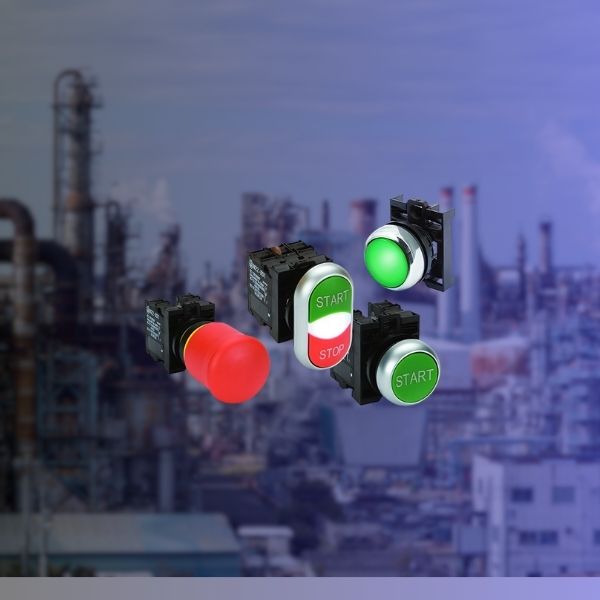
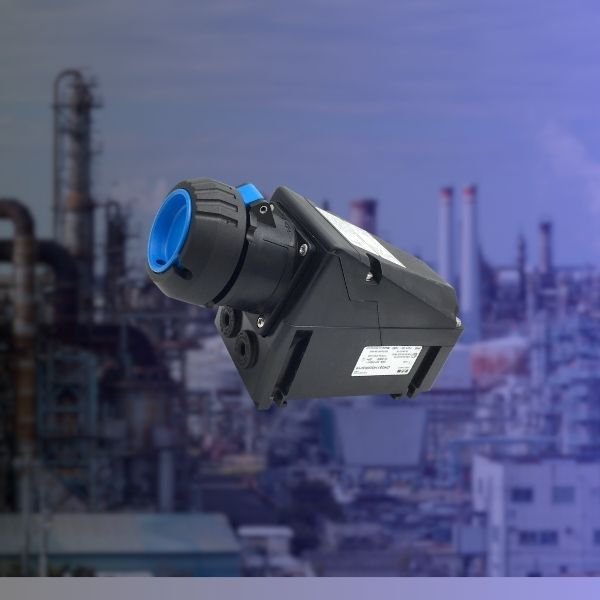
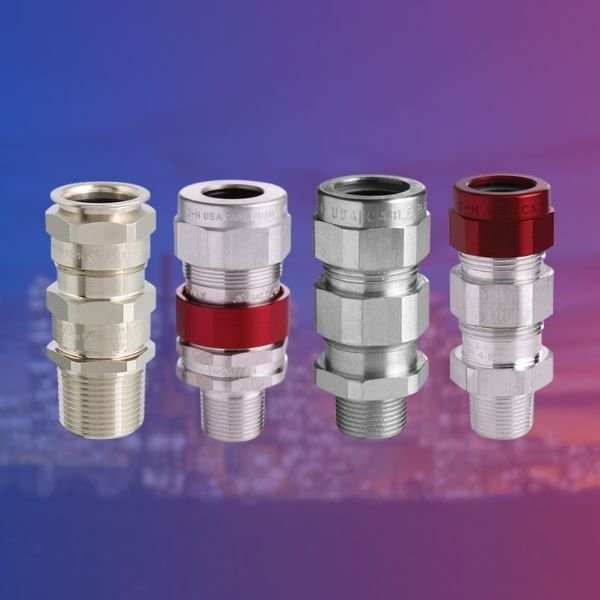
If an ignition source (like a spark or hot surface) is introduced to this specific mixture, a catastrophic explosion can occur. Therefore, all electronic equipment installed in these areas—such as sensors, motors, lighting, and cameras—must be specially certified, often referred to as Explosion Proof or Intrinsically Safe.
Understanding the “Fire Triangle”
To understand why an area is classified as hazardous, we must look at the fundamental theory of the Fire Triangle. A fire or explosion requires three elements to occur simultaneously:
- Fuel: The flammable gas, vapor, or dust.
- Oxygen: The air around us.
- Ignition Source: A spark, open flame, hot surface, or static electricity.
The primary goal of Hazardous Area classification is to manage the Ignition Source. This is because, in many industrial processes, the Fuel and Oxygen are inherent parts of the production process and cannot be eliminated.
Hazardous Area Zone Classifications (IEC/ATEX Standards)
Globally (outside of North America, which uses the Division system), the most common standards are IEC (International Electrotechnical Commission) and ATEX (European Union). These standards categorize areas into Zones based on the frequency and duration of the explosive atmosphere’s presence.
1. For Gases and Vapors
- Zone 0: An area where an explosive gas atmosphere is present continuously or for long periods.
- Example: Inside a fuel storage tank or within a pipe carrying gas.
- Zone 1: An area where an explosive gas atmosphere is likely to occur during normal operation.
- Example: The immediate area surrounding a filling nozzle or a tank vent.
- Zone 2: An area where an explosive gas atmosphere is not likely to occur in normal operation and, if it does, will only exist for a short time (usually due to a leak).
- Example: Pipe storage areas where connections are welded and secure.
2. For Combustible Dust
Often overlooked, dust is a potent explosive agent. Dust zones are marked with the number 20:
- Zone 20: Combustible dust cloud is present continuously (e.g., inside a flour silo or cement hopper).
- Zone 21: Combustible dust cloud is likely to occur during normal operation.
- Zone 22: Combustible dust cloud is not likely to occur, usually resulting only from a bag filter failure or spill.
Real-World Examples of Hazardous Areas
While refineries are the most obvious examples, Hazardous Areas exist in many industries you might not expect:
1. Oil & Gas Industry
The classic example.
- Locations: Offshore drilling rigs, Refineries, LNG processing plants, and Petrol Stations.
- Risk: Hydrocarbon gases and crude oil vapors are highly volatile.
2. Food and Beverage (F&B) Industry
Surprisingly dangerous due to organic dust.
- Locations: Flour mills, Sugar refineries, Bakeries, and Powdered Milk plants.
- Risk: Fine particles of sugar or flour suspended in the air can be more explosive than dynamite if ignited in a confined space.
3. Pharmaceutical and Chemical
- Locations: Solvent storage rooms, mixing labs, and alcohol-based sterilization areas.
- Risk: Vapors from solvents and alcohols used in drug manufacturing.
4. Wastewater Treatment
- Locations: Digester tanks, dry wells, and underground sewage lines.
- Risk: The decomposition of organic waste produces Methane, a highly flammable gas.
5. Automotive and Paint Shops
- Locations: Spray painting booths.
- Risk: Paint mists and thinner vapors are easily ignited during the spraying process.
How to Stay Safe in Hazardous Areas?
If you manage or work in these environments, strict protocols are mandatory:
- Certified Equipment: Ensure all devices carry the Ex marking, indicating compliance with ATEX or IECEx standards.
- Grounding & Bonding: Eliminate static electricity build-up which can act as an invisible ignition source.
- Proper Ventilation: Ensure adequate airflow to dilute gases or dust below their Lower Explosive Limit (LEL).
- Hot Work Permits: Strictly control activities like welding or grinding. These should never be performed without gas testing and authorization.
Conclusion
Understanding what a Hazardous Area is serves as the first line of defense against industrial disasters. It is not merely about regulatory compliance; it is about protecting infrastructure and saving lives.
Whether you are in a petrochemical plant or a grain silo, if the elements of the fire triangle are present, the risk is real. Ensure your facility is correctly classified (Zone 0, 1, or 2) and that your team is equipped with the right knowledge and technology.